MS-LS1-1: Conduct an investigation to provide evidence that living things are made of cells; either one cell or many different numbers and types of cells.
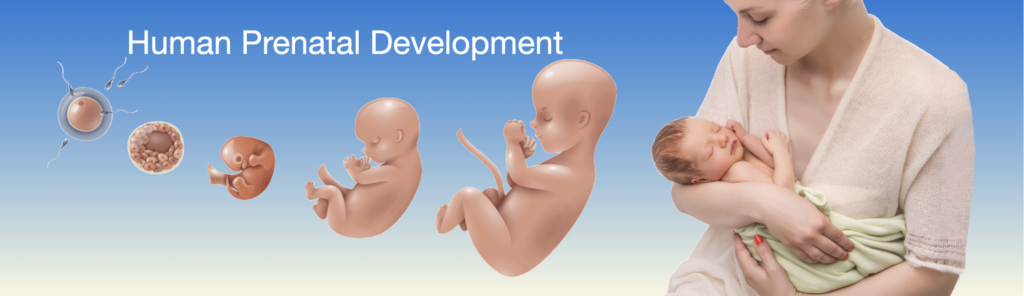
→ Students examine how a single fertilized human cell grows into a multicellular organism through repeated, regulated cell division, reinforcing that all human tissues originate from cellular processes.
MS-LS1-2: Develop and use a model to describe the function of a cell as a whole and ways parts of cells contribute to the function.
→ Through investigation of mitosis and chromosome behavior, students model how accurate DNA duplication and distribution allow cells to function properly as part of a growing human organism.
MS-LS1-3: Use argument supported by evidence for how the body is a system of interacting subsystems composed of groups of cells.
→ Students analyze the placenta as a specialized organ system that supports fetal development by regulating exchange between mother and fetus, demonstrating how groups of cells work together to perform essential life-support functions.
MS-LS1-7: Develop a model to describe how food is rearranged through chemical reactions forming new molecules that support growth and/or release energy as this matter moves through an organism.
→ The placental exchange model helps students understand how nutrients such as glucose move from mother to fetus to support growth, while waste products move in the opposite direction, illustrating matter transfer within biological systems.