
Teacher Portal
Investigation 2: Faith in Depth
Meiosis and Gamete Formation
NOTE TO RELIGION TEACHER: This page consists of more in-depth theological connections for this Investigation. In it, you will find additional Scriptural Connections, Catechism Connections, Theology of Body References, and Catholic Virtues related to this scientific Investigation.
Before beginning the theological reflection, briefly recall what students investigated in science. This shared experience anchors theological discussion in concrete observation.
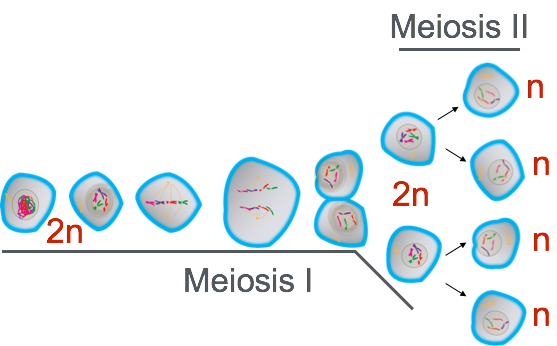
Scientific Content and Concepts: Gamete Formation (Meiosis)
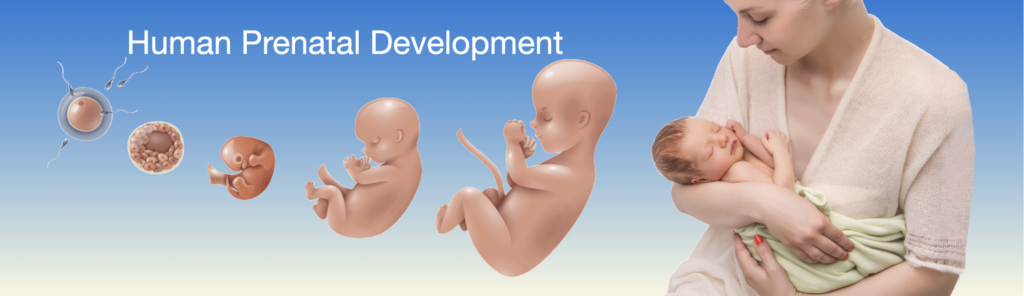
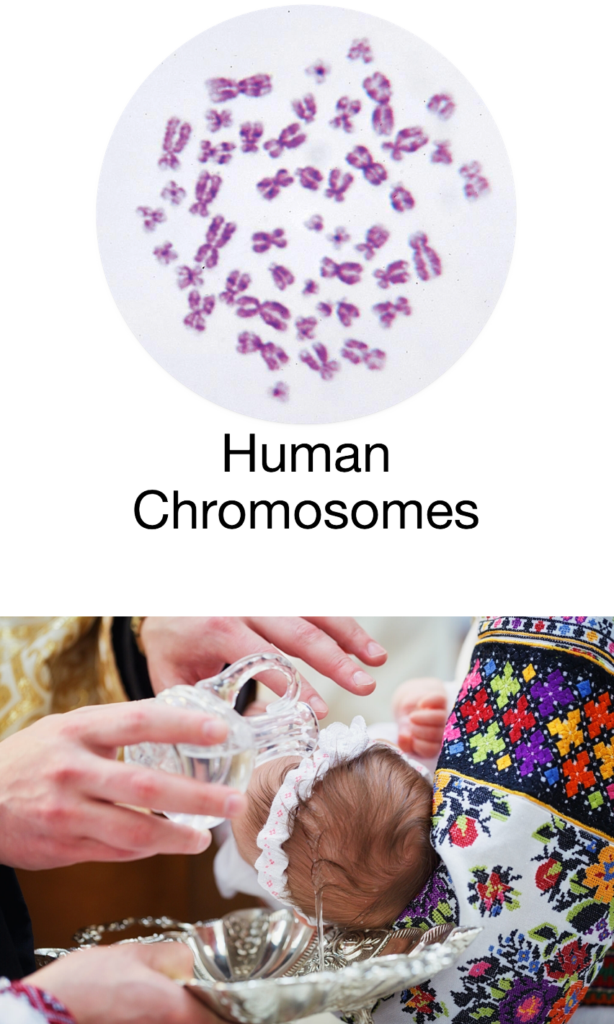
This lesson focused on meiosis and the formation of gametes, emphasizing that each person begins as a unique biological combination made possible by the intricate process of meiosis. Students encountered the concepts of genetic individuality and the biological complementarity of male and female reproductive systems. Through a theological lens, this capacity to give life is not simply a natural phenomenon—it is a sacred invitation to participate in God’s creative love.
Scriptural Connections:
Genesis 1:28 – “Be fruitful and multiply…”
→ The reproductive design of male and female is part of God’s creative command.Psalm 139:13–14 – “You knit me together in my mother’s womb…”
→ Every embryo begins as a miracle of divine intention.Jeremiah 1:5 – “Before I formed you in the womb, I knew you…”
→ God’s knowledge of each person precedes even fertilization.Isaiah 44:24 – “I am the Lord, who made all things, who alone stretched out the heavens…”
→ God claims authorship of all creation—down to each genetic code.Job 10:10–12 – “Did you not pour me out like milk… and knit me together with bones and sinews?”
→ A poetic, ancient image of embryonic development and divine craftsmanship.Ecclesiastes 11:5 – “As you do not know the path of the wind… so you cannot understand the work of God in forming a child in the womb.”
→ Humility before the mystery of life—even with scientific insight.
Catechism Connections
Genesis 1:28 – “Be fruitful and multiply…”
→ The reproductive design of male and female is part of God’s creative command.Psalm 139:13–14 – “You knit me together in my mother’s womb…”
→ Every embryo begins as a miracle of divine intention.Jeremiah 1:5 – “Before I formed you in the womb, I knew you…”
→ God’s knowledge of each person precedes even fertilization.Isaiah 44:24 – “I am the Lord, who made all things, who alone stretched out the heavens…”
→ God claims authorship of all creation—down to each genetic code.Job 10:10–12 – “Did you not pour me out like milk… and knit me together with bones and sinews?”
→ A poetic, ancient image of embryonic development and divine craftsmanship.Ecclesiastes 11:5 – “As you do not know the path of the wind… so you cannot understand the work of God in forming a child in the womb.”
→ Humility before the mystery of life—even with scientific insight.

Theology of Body References

TOB 14:4 – “The body makes visible what is invisible: the spiritual and the divine.”
→ Even cells bear spiritual significance.TOB 19:5 – “The body includes from the beginning… the capacity of expressing love.”
→ Gametes are biologically designed for union and life-giving love.TOB 59:6 – “The meaning of life is to be a gift.”
→ Every cell of the human body exists to serve this gift of life.TOB 60:3 – “Man is created to express love in and through the body.”
→ The biological capacity for reproduction is rooted in a theological call.TOB 15:1 – “Man cannot fully find himself except through a sincere gift of self.”
→ Parenthood, sexuality, and reproduction are part of self-giving vocation.TOB 19:4 – “The mystery of femininity and masculinity is written in the body.”
→ Meiosis and gamete formation are key expressions of male and female identity.
Catholic Virtues
Wonder – Meiosis and genetic uniqueness spark awe in God’s creative plan.
Respect – Each person’s body, including their differences, is a reflection of God’s work.
Responsibility – Understanding our ability to give life calls us to maturity and reverence.
Reverence– Reproduction is not casual—it’s a sacred aspect of human identity.
Gratitude – We give thanks for the life we have been given and the life we may one day give.
Purpose – Every person is made intentionally and uniquely—no one is accidental.
Compassion – Those struggling with fertility or identity deserve our kindness and dignity.
Self-Control – We are called to treat our bodies and others’ with disciplined love.
Hope – Even our biology points toward a future rooted in God’s plan.
Charity – Love is expressed not only in words, but in the ability to nurture and protect life.

Integration into the Classroom
Religion teachers are encouraged to help students reflect not only on the biological facts of reproduction but on the profound spiritual meaning behind our ability to give life. Invite them to recognize that the process they studied in science class is not just cellular—it is sacred. This lesson provides a powerful opportunity to affirm each student’s value and purpose, grounded in both faith and reason.
References
For teacher reference and deeper context:
The following sources are provided to support theological accuracy and offer optional background for educators.
Scriptural Connections
Incorporating biblical references into the study of LabLearner science enriches the educational experience by connecting scientific exploration with spiritual reflection. By integrating scripture, students gain a deeper appreciation for the harmony between God’s creation and scientific discovery. For instance, verses such as “For You created my inmost being; You knit me together in my mother’s womb” (Psalm 139:13-14, New International Version) emphasize the sacredness and complexity of human life, aligning seamlessly with the study of prenatal development. The use of the New International Version (NIV) ensures a modern, accessible translation while maintaining theological depth. These references not only illuminate scientific concepts but also foster critical thinking about the moral and spiritual dimensions of science, encouraging students to approach their studies with both curiosity and reverence.
Catechism Connections
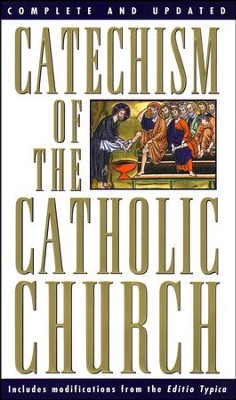
Incorporating references from the Catechism of the Catholic Church (CCC) into the study of LabLearner science helps students see the profound connections between faith and reason. The Catechism provides a theological framework that underscores the sanctity of life, the dignity of the human person, and the moral responsibility to care for creation. For example, CCC 2270 states, “Human life must be respected and protected absolutely from the moment of conception.” This teaching beautifully complements scientific lessons on prenatal development by emphasizing the sacredness of life at its earliest stages. By integrating these Catechism insights, students are encouraged to view scientific knowledge not in isolation but as a means to deepen their understanding of God’s creation and their moral responsibilities within it. This approach fosters a holistic view of education, where faith and science are partners in truth.
Theology of the Body Reference
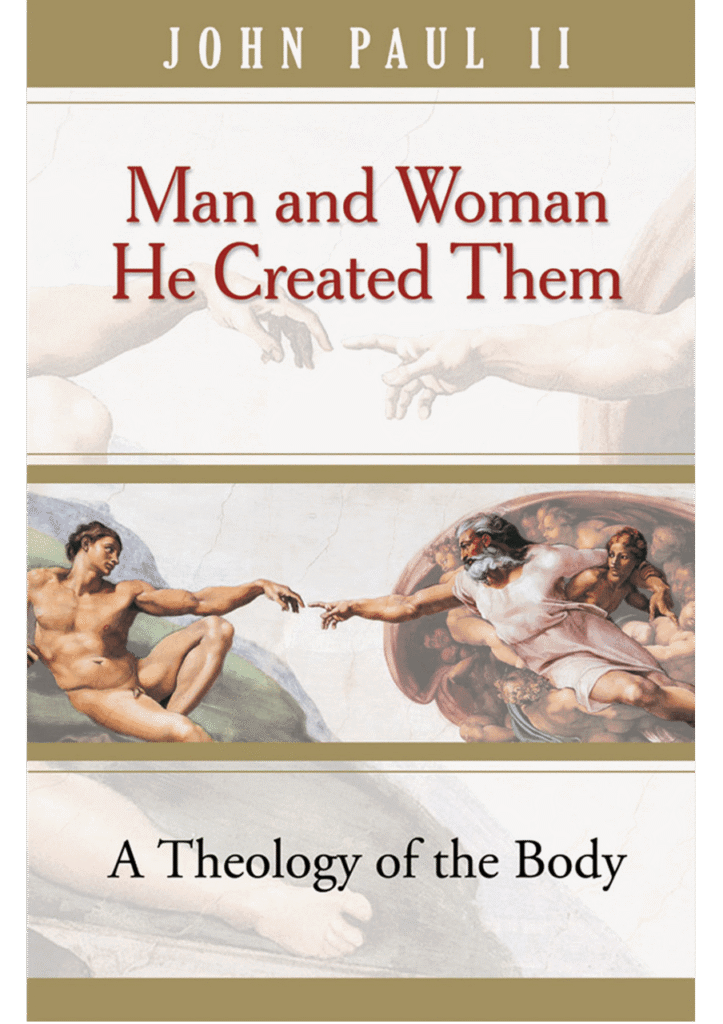
Incorporating references from Pope John Paul II’s Theology of the Body (TOB) into the study of LabLearner science offers a profound way to connect biological processes with the spiritual and theological dimensions of human existence. TOB emphasizes the unity of body and soul, the sacredness of the human body, and the vocation of self-giving love. For example, TOB 19:4 states, “The body, and it alone, is capable of making visible what is invisible: the spiritual and the divine.” This insight beautifully aligns with the study of prenatal development, where the visible growth of the human body reflects the invisible dignity and purpose bestowed by God. By integrating TOB, students can explore how the scientific marvels of human development mirror the divine plan for creation, fostering an appreciation for the sacredness of life and the call to live as persons in communion. This approach bridges science and theology, cultivating a deeper understanding of the human person as a masterpiece of both physical and spiritual dimensions.
Virtue Education
Incorporating virtues into Christian education, particularly in the study of prenatal development, is essential to fostering a holistic understanding of human dignity and moral responsibility. Virtues such as patience, gratitude, and reverence for life align deeply with the Christian worldview, encouraging students to see human development as a miraculous and intentional act of God. These virtues serve as a bridge between knowledge and action, inspiring students to appreciate the complexity and sanctity of prenatal life and live in a way that honors the Creator. By cultivating virtues alongside scientific inquiry, Christian education equips students with the moral framework necessary to approach ethical issues with compassion and wisdom, fostering a profound respect for life at all stages.