Teacher Portal
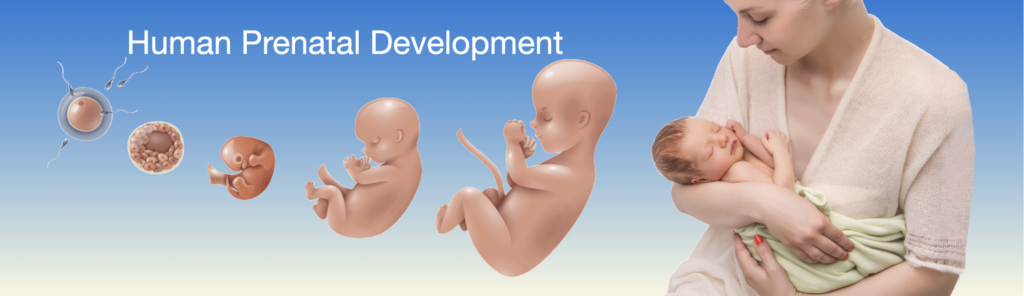
Investigation 2: PreLab
Meiosis and Gamete Formation
Purpose of the PreLab
During this PreLab, students prepare for the upcoming laboratory investigation by reviewing how meiosis produces human gametes and how fertilization restores the correct number of chromosomes. Students organize key ideas related to genetic inheritance and reproductive cell formation so they are ready to interpret observations made during the lab.
Get Focused:
During this Investigation, students will begin to see prenatal development as a continuous, ordered process of growth and change rather than a collection of isolated facts. Help them connect what they already know about body systems to how those systems begin forming before birth. Encourage them to think of the fetus as a developing human being who is growing, changing, and becoming more complex day by day.
1. How does a tiny embryo eventually become a fully formed baby ready to live outside the womb?
The embryo becomes a full-term baby through a continuous and highly ordered process of growth and development. Cells divide, enlarge, and specialize to form tissues and organs. Body systems develop at different times—first establishing basic structures, then refining their functions. As months pass, organs mature enough to work on their own after birth, including the lungs, digestive system, and brain circuits responsible for survival. This steady progression transforms a tiny group of cells into a complete newborn.
2. How does meiosis ensure that each new human being begins with the correct number of chromosomes?
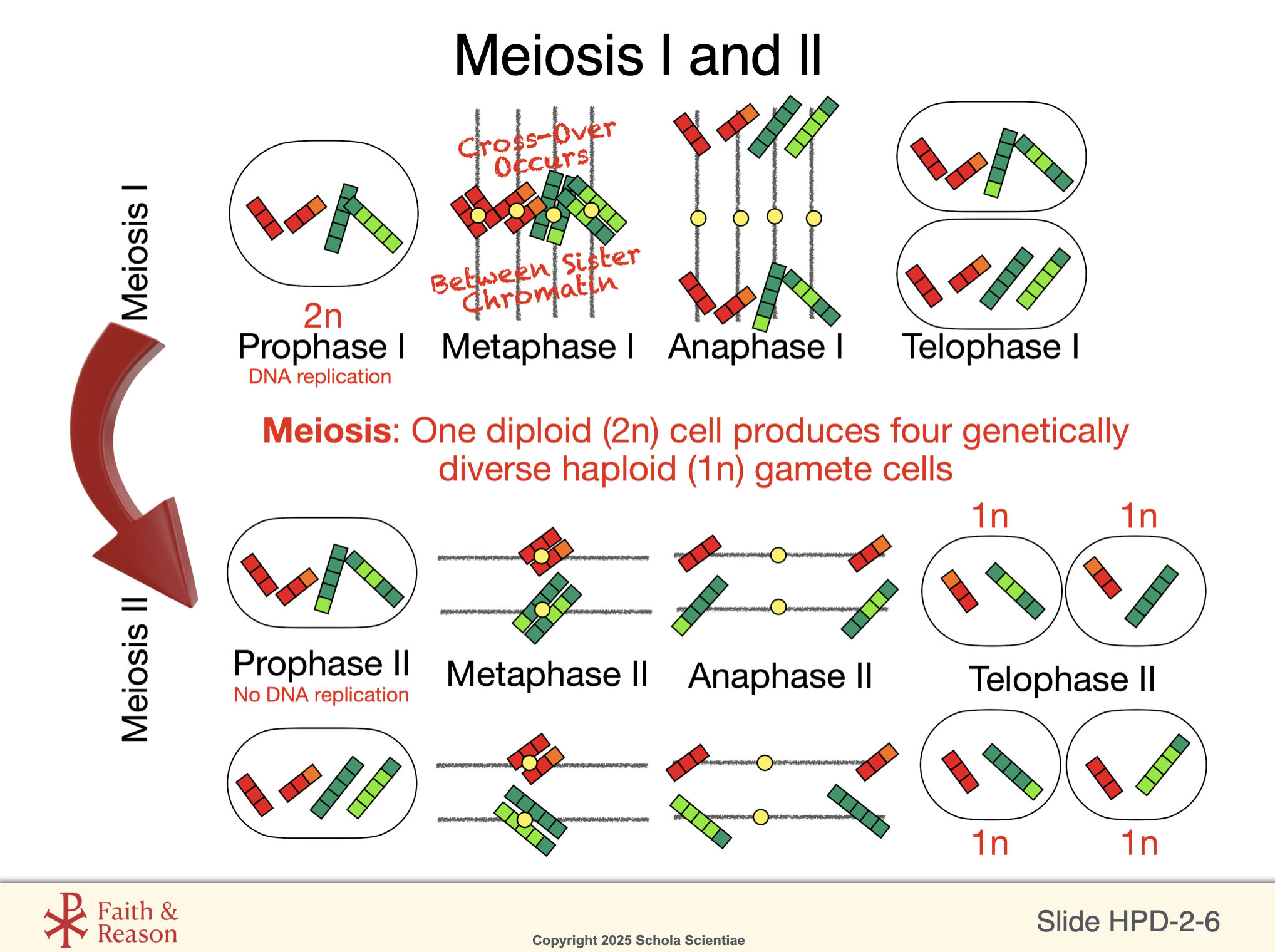
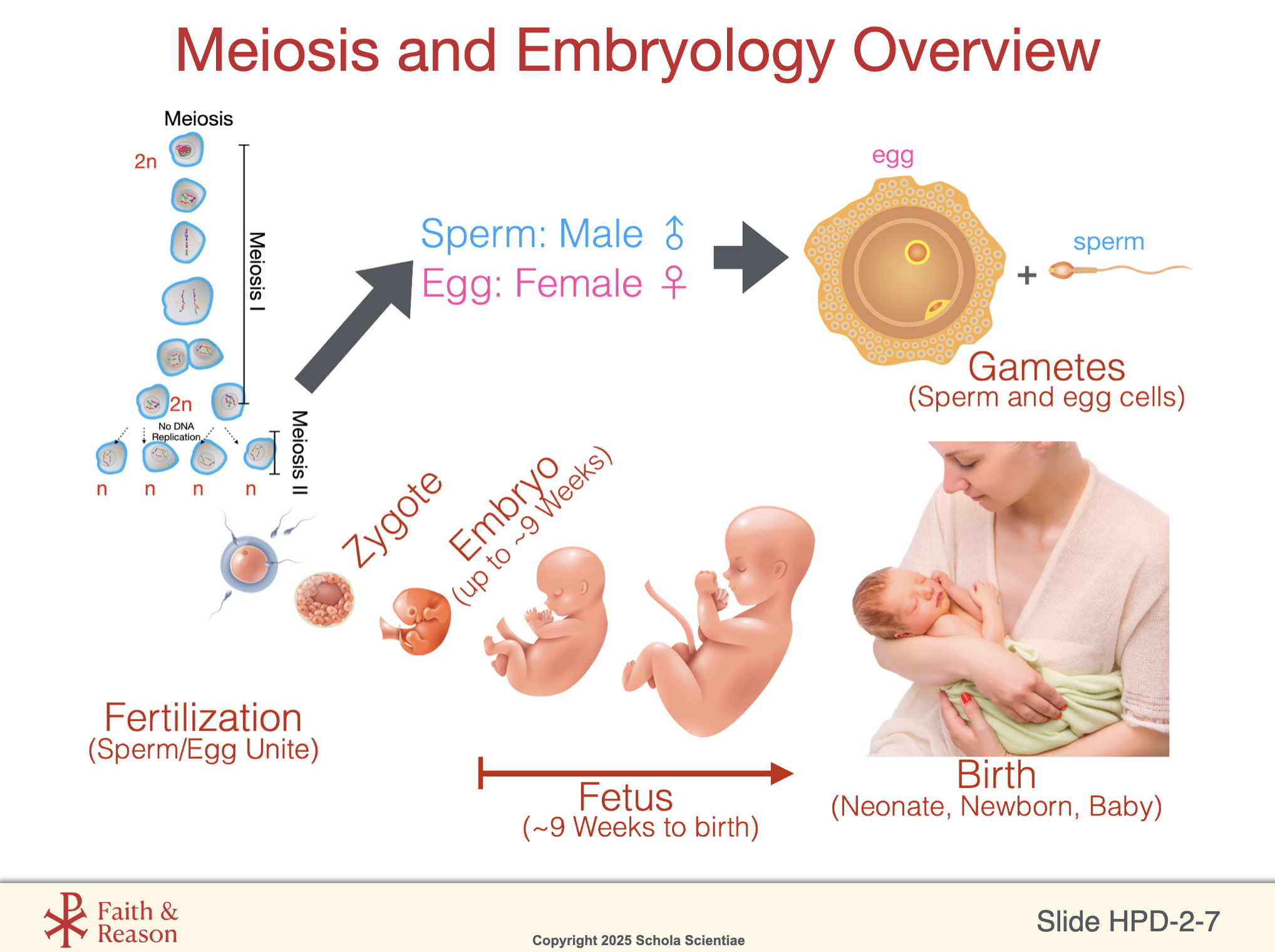
Meiosis is the special cell division that produces gametes—the egg and sperm. During meiosis, chromosome pairs separate so that each gamete receives only 23 chromosomes, half the usual number. At fertilization, when an egg and sperm combine, the chromosome number is restored to 46, forming a genetically complete zygote. Without meiosis, chromosome numbers would double each generation, making normal development impossible. Meiosis protects the stability of the human genome from one generation to the next.
3. Why is fertilization such a critical moment for prenatal development?
Fertilization unites the mother’s egg and the father’s sperm, combining their genetic material into a unique, complete set of 46 chromosomes. This single-celled zygote already contains the full instructions for building an entire human body. Fertilization also initiates the timing of early development—triggering the first cell divisions, activating the embryonic genome, and beginning the sequence of events that lead to implantation, organ formation, and fetal growth. Everything that follows depends on the success and accuracy of this moment.
4. How is mitosis different from meiosis, and why is mitosis so important for fetal growth?
Mitosis and meiosis are both types of cell division, but they serve very different purposes. Mitosis is a type of cell division responsible for growth and tissue repair. This allows the embryo and fetus to grow, replace cells, and build tissues and organs. In contrast, meiosis produces gametes—egg and sperm cells—that contain only half the usual number of chromosomes.
For prenatal development, mitosis is essential: it increases the number of cells, ensures each new cell receives a complete set of 46 chromosomes, and allows body structures to form in a precise, organized way. Modeling mitosis helps students visualize this accurate chromosome copying and separation, which supports healthy fetal growth.
Preparing for Success:
Use the Human Prenatal Development PreLab slides to preview the key ideas in this Investigation and to activate students’ prior knowledge about body systems and growth. Students should understand that prenatal development is ordered and purposeful, with each stage building on what came before.
Encourage students to pay attention to how structure and function are already related before birth. For example, as organs form and mature, they begin to carry out the functions that will be essential for life after birth.
To help students succeed:
Direct them to the specific Background Readings linked below.
Encourage them to click the slide thumbnails to view important Concept Day visuals.
Review the short explanations that tell them why each concept matters for today’s investigation.
This structure removes guesswork and helps both teachers and students feel confident and prepared. These ideas directly shape how students will perform during the modeling of mitosis, chromosome number, and growth.
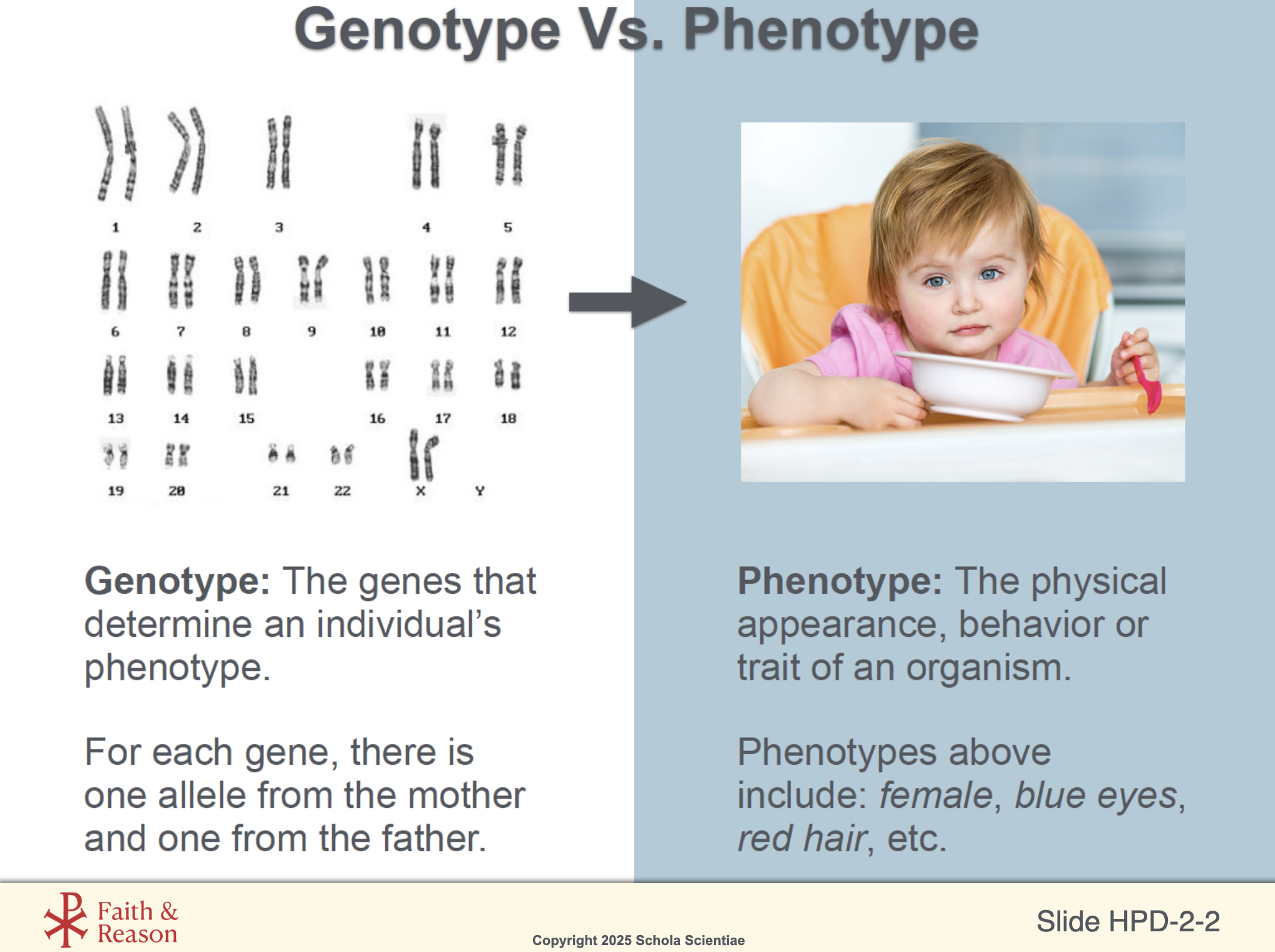
1.How Genetics and Cell Division Influence Prenatal Development
Key Idea:
Healthy prenatal development begins with the correct genetic instructions and depends on accurate cell division. Students should understand how genetic information (genotype) shapes observable characteristics (phenotype) and why early cell processes matter.
Background Reading (Readings open in a new window):
Relevant Concept Slides (Click to enlarge):
Why this matters:
Students often see genetics as abstract, but in prenatal development, genotype guides every structural and functional change. By grounding this Investigation in chromosomes and their role, students begin to see human development as an orderly, intelligible biological process—not random growth. This prepares them to understand how mistakes in chromosomes can have real consequences later.
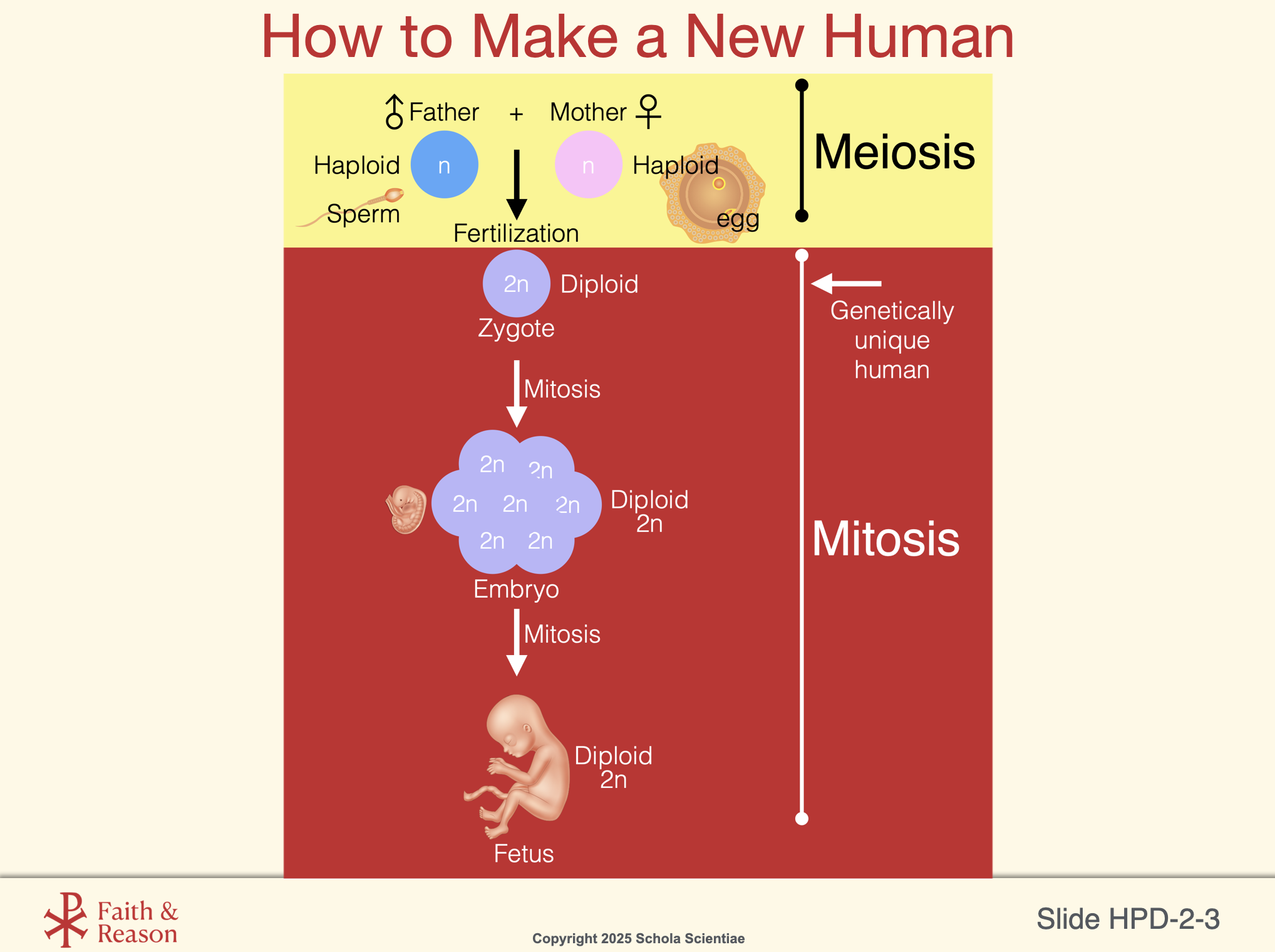
2. Understanding Meiosis and Fertilization Before Prenatal Growth Begins
Key Idea:
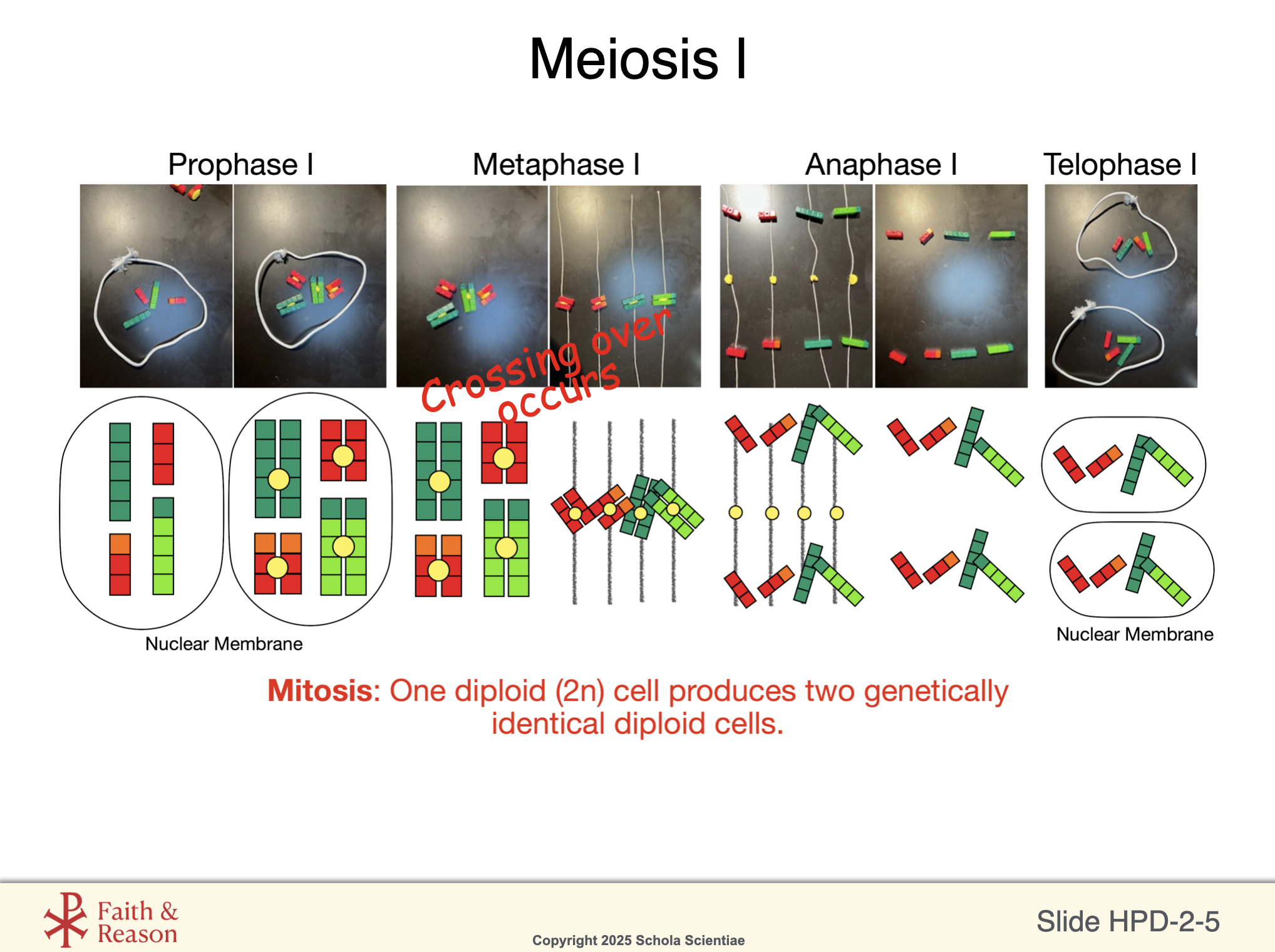
Meiosis produces gametes that contain half the usual number of chromosomes. Fertilization restores the complete set and marks the beginning of human development, including determining the biological sex of the baby.
Background Reading (Readings open in a new window):
Relevant Concept Slides (Click to enlarge):

Why this matters:
This section shows students where life’s genetic story begins. Understanding meiosis and fertilization helps students appreciate how every human life begins with a unique genetic identity. It also clarifies why precise chromosome separation is essential—errors at this stage affect the entire lifespan of the developing child.
3. Why Mitosis Is Essential for Embryonic and Fetal Growth
Key Idea:
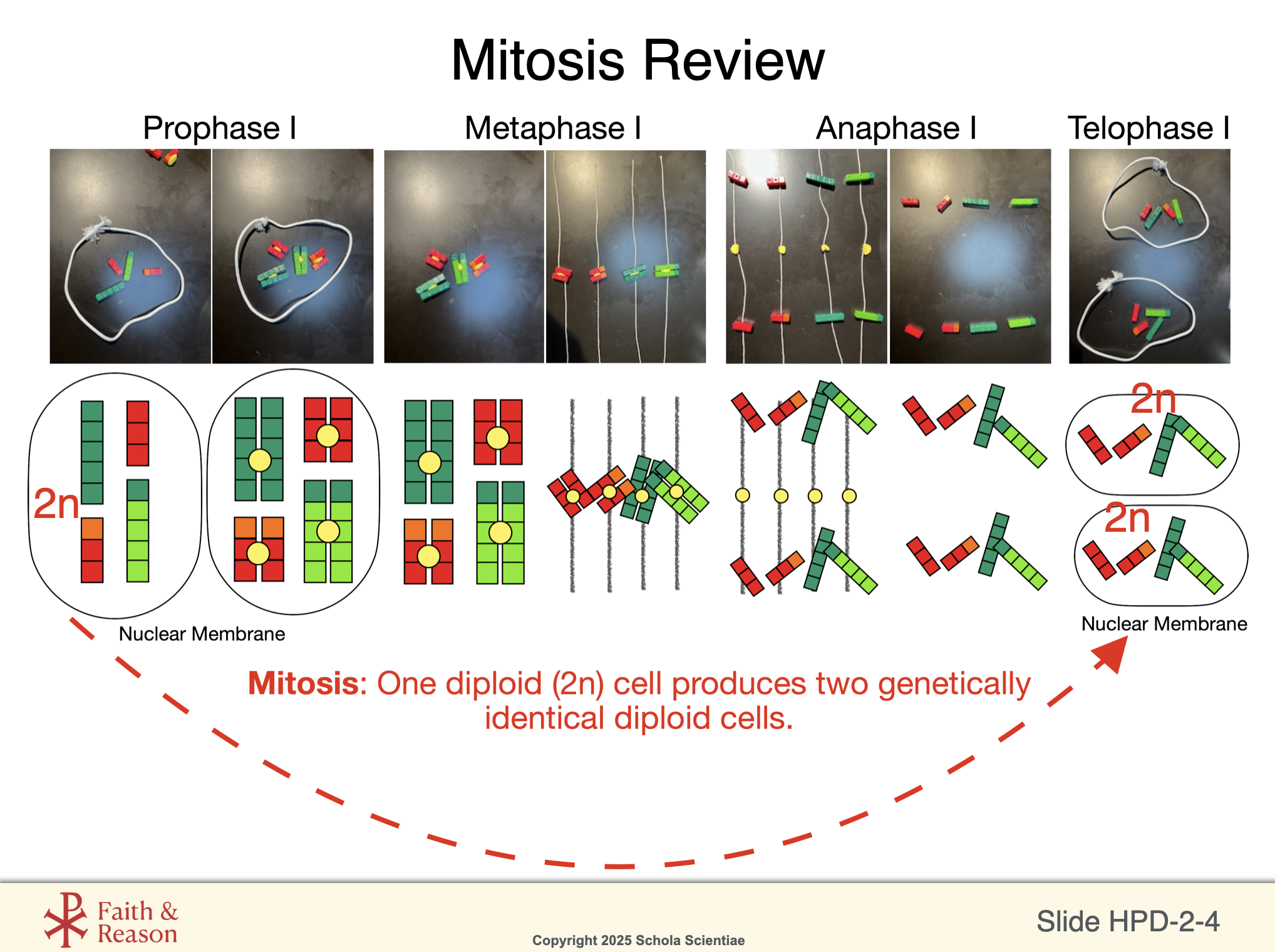
After fertilization, all growth depends on mitosis. Repeated, accurate cell division produces genetically identical daughter cells, allowing tissues and organs to form in an orderly, healthy way.
Background Reading (Readings open in a new window):
Relevant Concept Slides (Click to enlarge):
Why this matters:
Students will model the four main stages (prophase → metaphase → anaphase → telophase).
Understanding the purpose of each stage helps them correctly manipulate their models and recognize errors in chromosome separation.
4. Connecting the Lab Activity to the Main Idea of the Investigation
Key Idea:
In this Lab, students model mitosis by manipulating chromosome representations. This lets them visualize how chromosomes duplicate, align, and separate—linking the mechanism of mitosis to the larger idea of prenatal development.
Background Reading (Readings open in a new window):
Relevant Concept Slides (Click to enlarge):
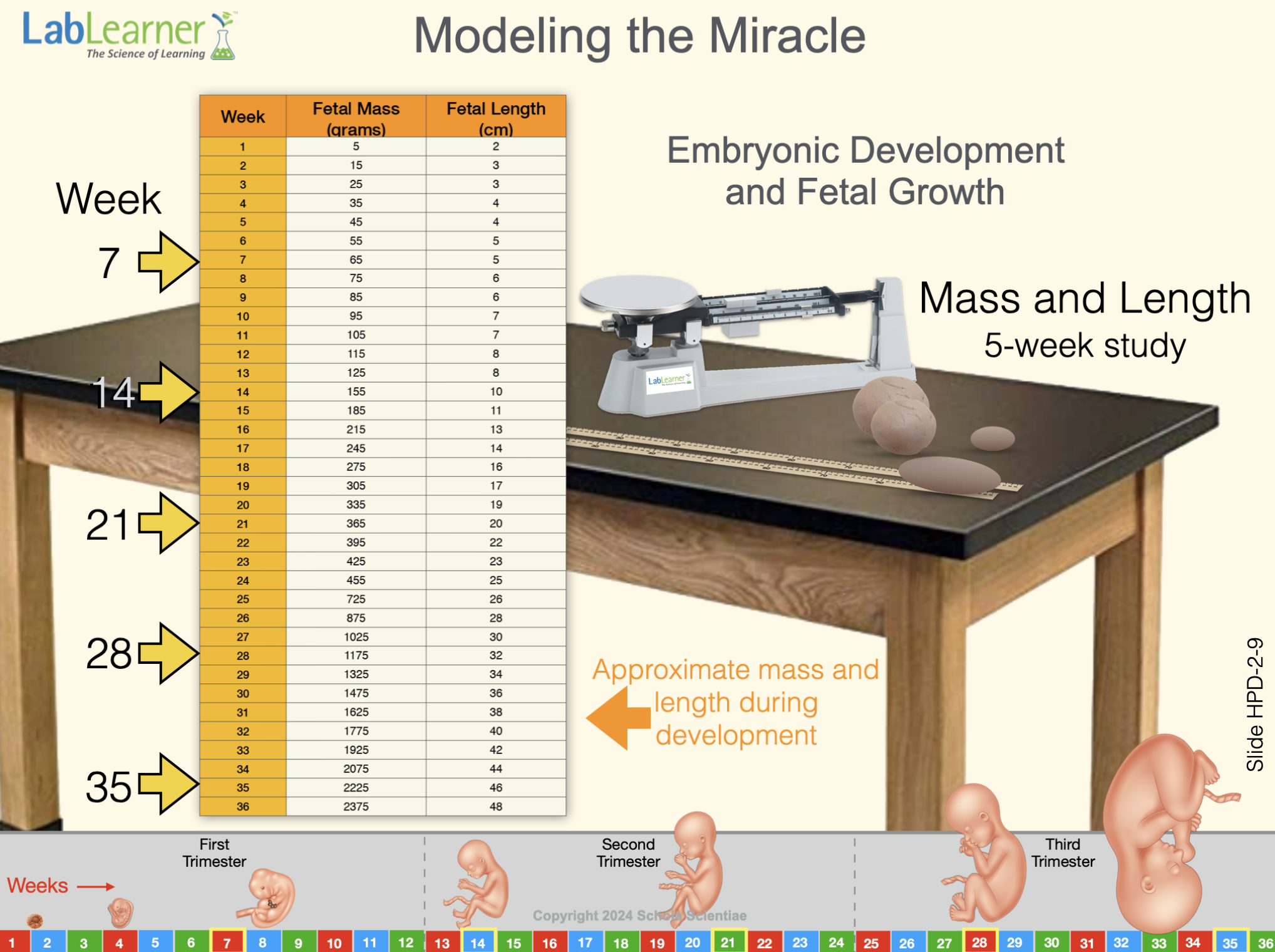
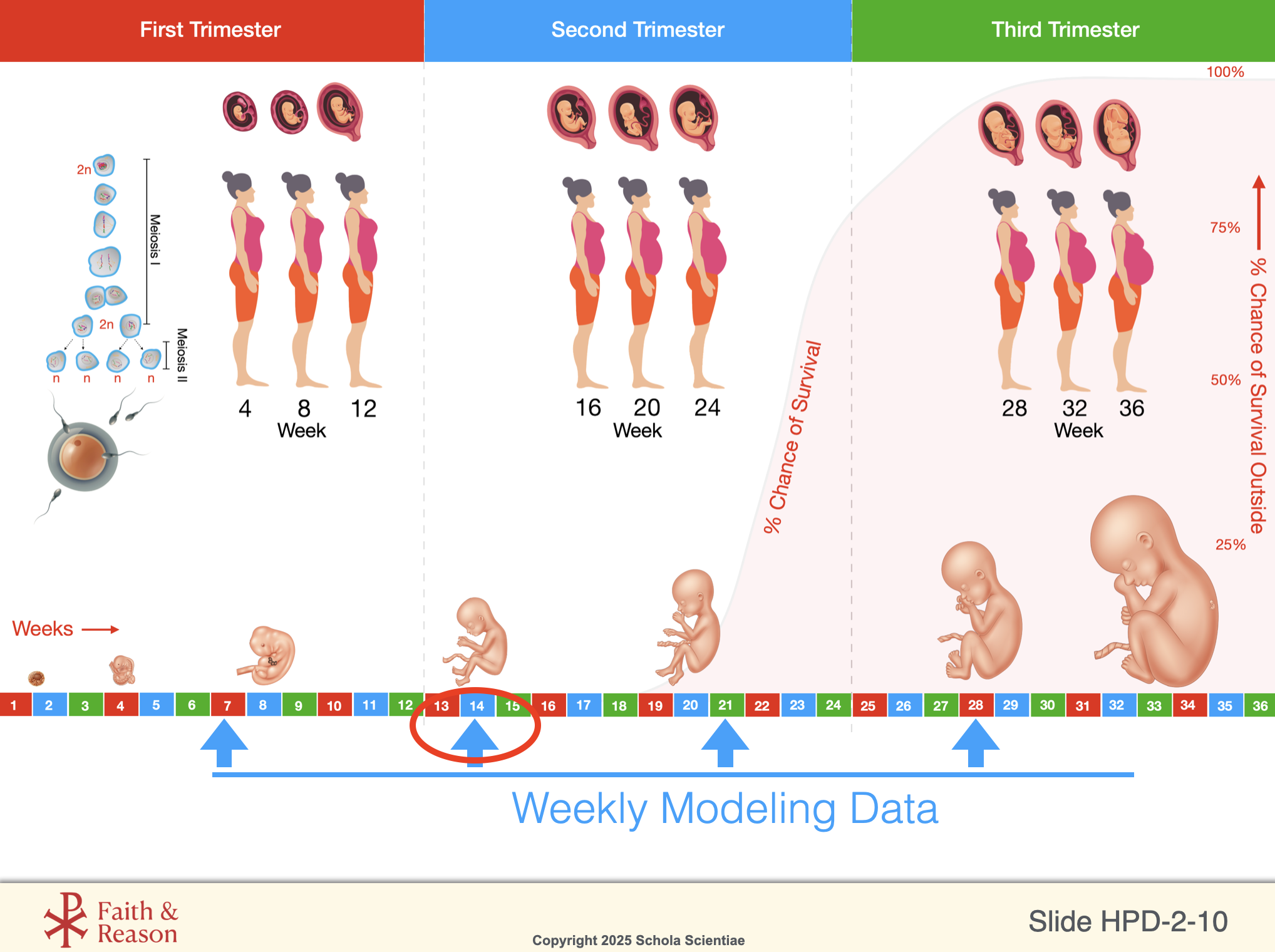
Why this matters:
Hands-on modeling transforms an invisible, microscopic process into a concrete experience. By “doing mitosis,” students retain far more than they would from reading or diagrams. It also reinforces the central theme of the Investigation: that prenatal development depends on accurate, repeated cell division.
Investigation Vocabulary:
Centromere (SEN-troh-meer)
Definition:
The region where sister chromatids are joined; spindle fibers attach here during cell division.
Teacher Notes — Why this matters:
The accuracy of chromosome separation during mitosis and meiosis depends on the centromere. Students must understand this to make sense of how cells divide cleanly.
Classroom Example:
“During cell division, the spindle fibers grab the chromosome at the centromere—almost like pulling it by its handle.”
Chromatid (KROH-muh-tid)
Definition:
One of two identical copies of a chromosome formed during DNA replication.
Teacher Notes — Why this matters:
Chromatids make it clear that chromosomes are duplicated before division. Students will manipulate chromatids directly during the mitosis model.
Classroom Example:
“Each duplicated chromosome looks like an X — those two halves are sister chromatids.”
Crossing Over
Definition:
The exchange of chromosome segments between homologous chromosomes during Prophase I of meiosis.
Teacher Notes — Why this matters:
Students often wonder why siblings don’t look identical. Crossing over is a major source of genetic variation and essential to meiosis.
Classroom Example:
“Crossing over acts like swapping puzzle pieces — it mixes traits from each parent.”
Diploid (2n) (DIP-loyd)
Definition:
A cell containing 46 chromosomes (23 pairs).
Teacher Notes — Why this matters:
Prenatal development begins with a diploid zygote. Understanding diploid vs. haploid clarifies why meiosis must cut chromosome number in half.
Classroom Example:
“Almost every cell in your body is diploid — with 46 chromosomes.”
Fertilization (FUR-tuh-lih-ZAY-shun)
Definition:
The union of an egg and sperm to form a diploid zygote with 46 chromosomes.
Teacher Notes — Why this matters:
This is the exact moment human development begins. All growth in HPD2 follows from this single event.
Classroom Example:
“The instant the egg and sperm meet, the embryo receives its full genetic instruction set.”
Gamete (GAM-eet)
Definition:
A reproductive cell (egg or sperm) with 23 chromosomes.
Teacher Notes — Why this matters:
Students must understand that gametes are haploid so the chromosome number is restored at fertilization.
Classroom Example:
“Sperm and egg cells each carry half the genetic information needed to begin human development.”
Haploid (n) (HAP-loyd)
Definition:
A cell containing 23 single chromosomes, half the usual number.
Teacher Notes — Why this matters:
Haploid cells make sexual reproduction possible. Without halving the chromosome number, fertilization would not produce a viable embryo.
Classroom Example:
“A sperm cell is haploid — it carries just 23 chromosomes.”
Homologous Chromosomes (huh-MAHL-uh-gus)
Definition:
Pairs of chromosomes that carry the same types of genes in the same order.
Teacher Notes — Why this matters:
Students need this term to understand pairing, crossing over, and separation during meiosis.
Classroom Example:
“You have one chromosome 7 from your mom and one from your dad — they are homologous.”
Meiosis (my-OH-sis)
Definition:
A two-part cell division that produces four genetically different haploid gametes.
Teacher Notes — Why this matters:
Meiosis explains genetic variation and prepares students for understanding fertilization, chromosomal disorders, and inheritance patterns.
Classroom Example:
“Meiosis is why siblings each get a different mix of traits.”
Mitosis (my-TOH-sis)
Definition:
A type of cell division that produces two genetically identical daughter cells.
Teacher Notes — Why this matters:
Investigation 2 focuses heavily on mitosis as the engine of fetal growth. Students will model it during the Lab.
Classroom Example:
“When you grow or repair a cut, your cells use mitosis to make copies.”
Sex Chromosomes
Definition:
The pair of chromosomes (XX or XY) that determine genetic sex.
Teacher Notes — Why this matters:
Students will learn that fertilization — not mitosis — determines whether the zygote becomes XX or XY.
Classroom Example:
“The sperm carries either an X or a Y — that’s what decides whether the baby is male or female.”
Spindle Fibers
Definition:
Protein structures that pull chromosomes apart during cell division.
Teacher Notes — Why this matters:
If spindle fibers malfunction, cells may receive the wrong number of chromosomes, affecting prenatal development.
Classroom Example:
“Spindle fibers act like ropes that separate the chromosomes to opposite sides of the cell.”
Zygote (ZYE-goat)
Definition:
The first cell of a new human being, formed at fertilization.
Teacher Notes — Why this matters:
Everything in prenatal development begins with the zygote. All mitotic divisions in HPD2 start from this one cell.
Classroom Example:
“The zygote contains the full set of 46 chromosomes — half from each parent.”