MS-LS1-1: Conduct an investigation to provide evidence that living things are made of cells; either one cell or many different numbers and types of cells.
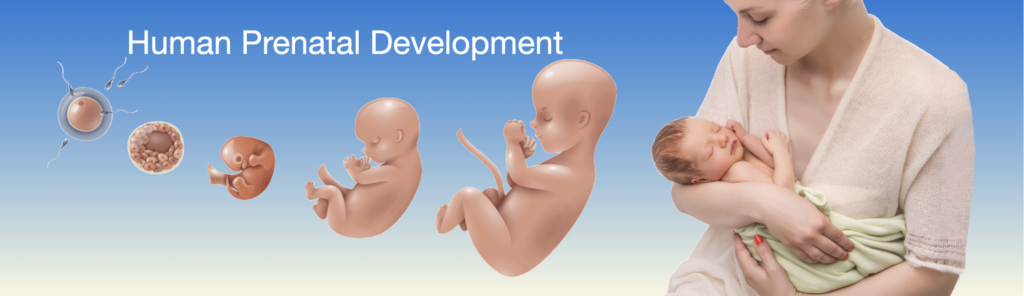
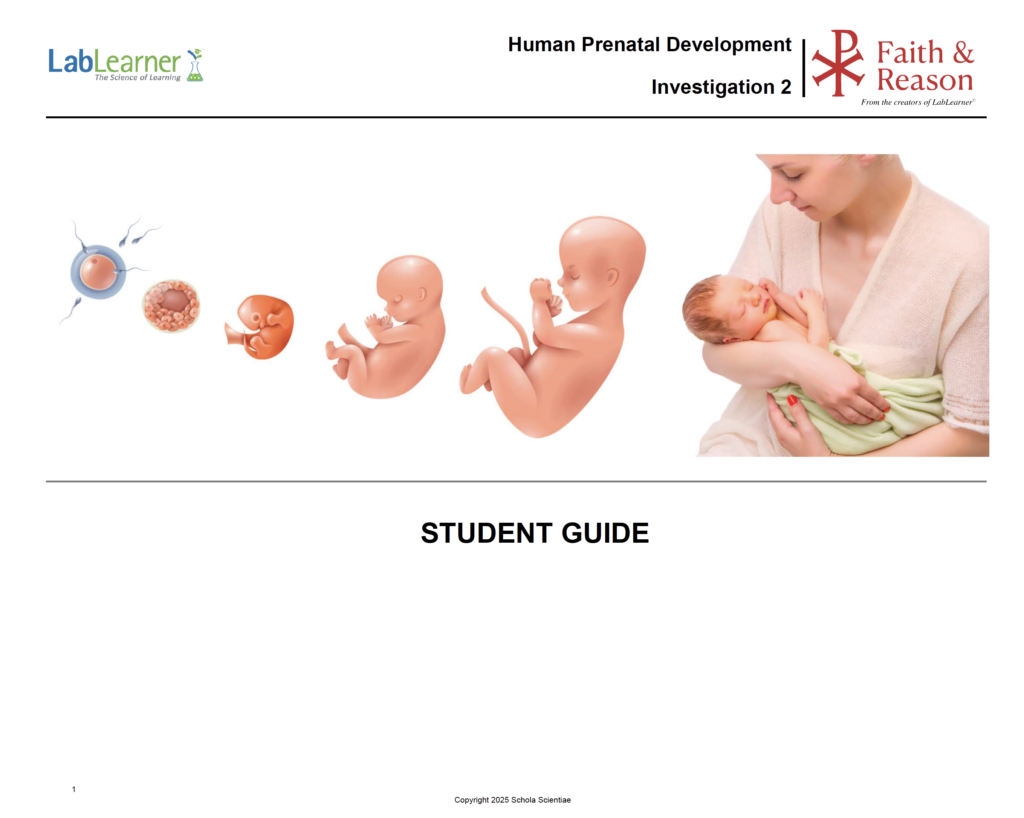
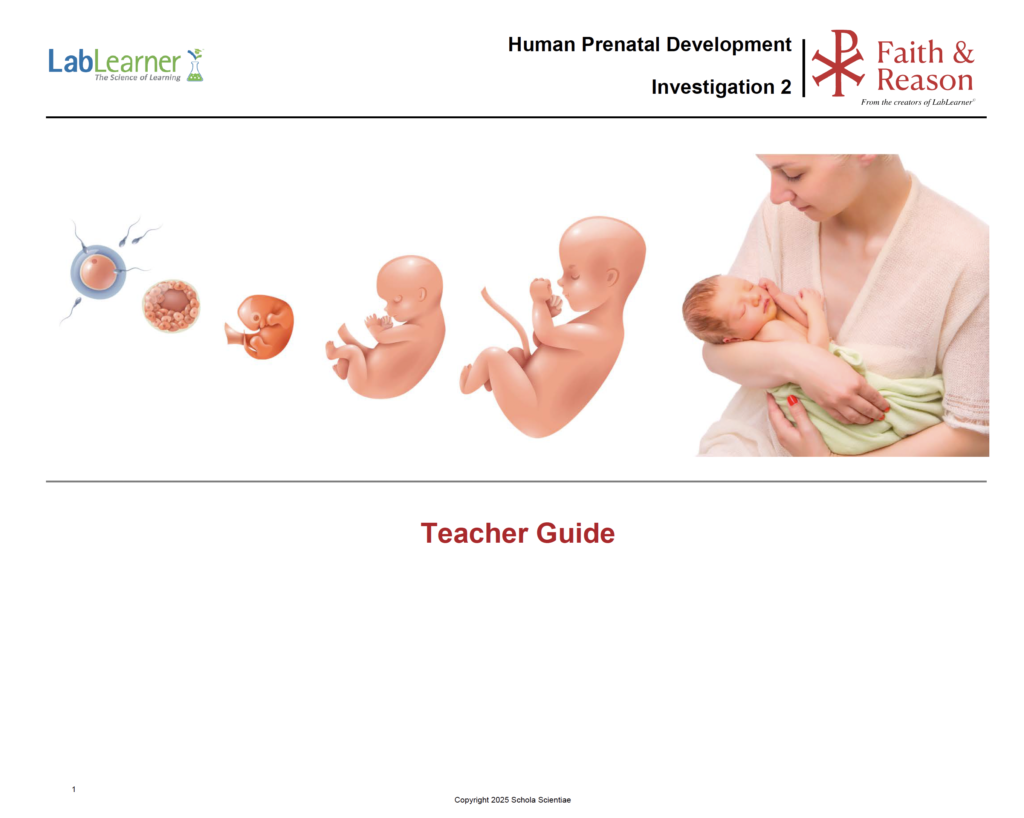
→ Students examine how human life begins as a single cell formed at fertilization and how subsequent cell divisions support early growth and development.
MS-LS1-2: Develop and use a model to describe the function of a cell as a whole and ways parts of cells contribute to the function.
→ Students model chromosome behavior during meiosis and mitosis, focusing on how genetic material is organized, copied, and distributed to support reproduction and development.
MS-LS3-2: Develop and use a model to describe why asexual reproduction results in offspring with identical genetic information.
→ By comparing meiosis and mitosis, students learn why gametes are genetically unique, while cells produced by mitosis in the developing embryo are genetically identical.