
Teacher Portal
Investigation 4: PostLab
PostLab Assessment — Investigation 4
Download and administer after completing the Investigation.
Focus Questions:
1. Why is the third trimester an especially important stage of human prenatal development?
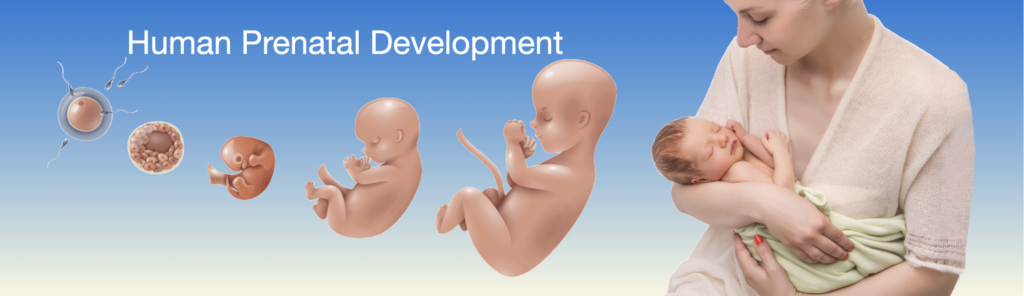
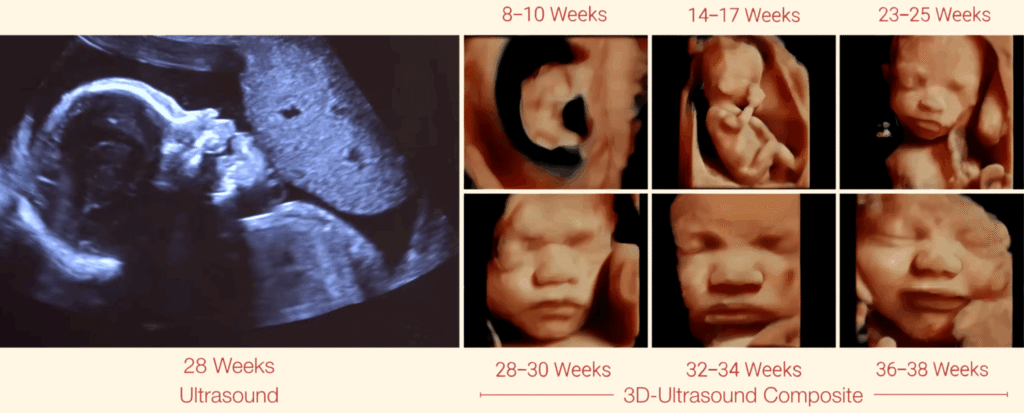
The third trimester is a critical period because many organ systems are completing their development while the fetus rapidly gains size, strength, and responsiveness. During this stage, the brain continues to mature, sensory systems become functional, and the fetus prepares for independent life outside the womb. Rather than forming new structures, the body refines and strengthens systems that are already in place.
This period also involves increased interaction with the environment inside the womb. The fetus moves more, responds to stimuli, and becomes increasingly active, showing that development is not passive but dynamic. These changes reflect how prenatal development progresses toward readiness for birth.
Discussion angles students may raise:
“The baby is getting ready to be born.”
“Organs are finishing development.”
“The fetus becomes more active.”
“The brain is still developing.”
Teacher move:
Emphasize preparation, refinement, and responsiveness as key themes of late prenatal development.
2. How does amniotic fluid support and protect the developing fetus during the final months of pregnancy?
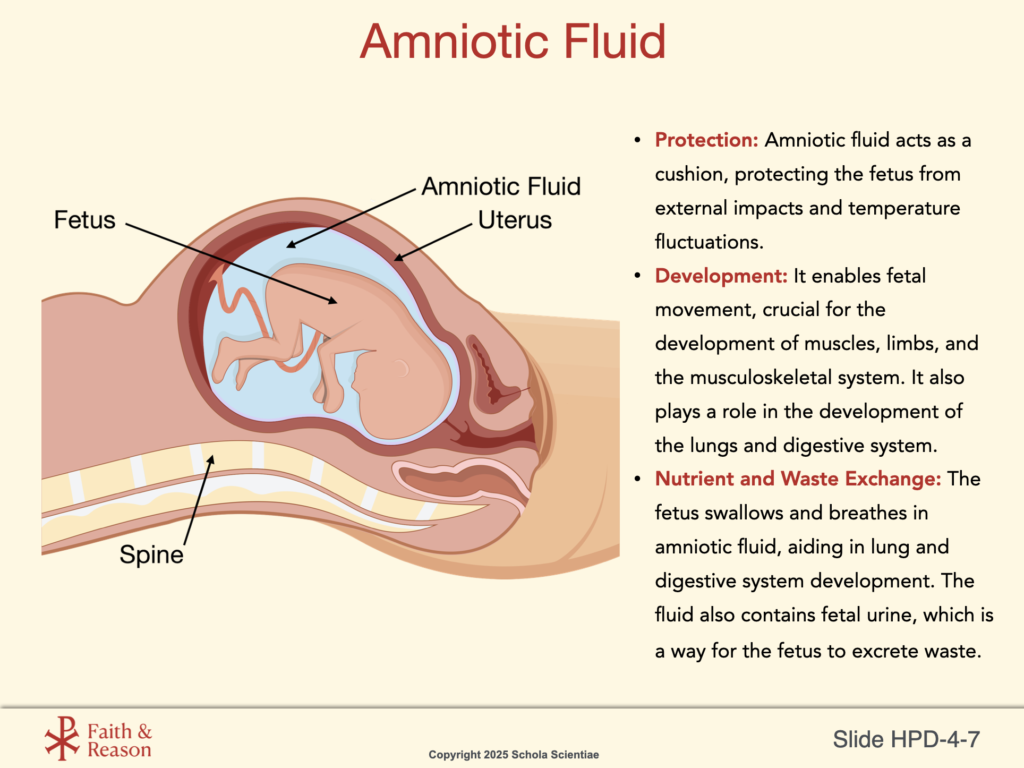
Amniotic fluid creates a protective environment that cushions the fetus from physical impacts and allows safe movement within the womb. By surrounding the fetus, the fluid helps distribute forces evenly, reducing the risk of injury. It also maintains a stable temperature and prevents tissues from sticking together as the fetus grows.
In addition to protection, amniotic fluid supports normal development by allowing movement, which is essential for muscle and bone formation. The fluid-filled environment enables the fetus to practice breathing and swallowing motions, helping prepare vital systems for life after birth.
Discussion angles students may raise:
“The fluid acts like a cushion.”
“It keeps the baby safe.”
“The baby can move around.”
“It helps development, not just protection.”
Teacher move:
Reinforce that amniotic fluid is both protective and developmental, not simply a passive liquid.
3. How can a fetus begin to sense and respond to its environment before birth?
As the nervous system develops, the fetus becomes capable of detecting and responding to stimuli such as sound, movement, and changes in position. By the third trimester, the auditory system is developed enough for sound waves to reach the inner ear, allowing the fetus to hear voices, music, and other external noises filtered through fluid and tissue.
These early sensory experiences help the brain form connections that support learning and recognition after birth. The ability to respond before birth shows that sensory development begins well before a baby enters the outside world.
Discussion angles students may raise:
“Babies can hear before they’re born.”
“The brain is already working.”
“Sound travels through the womb.”
“The baby reacts to things outside.”
Teacher move:
Highlight the idea that sensory development begins prenatally, preparing the fetus for interaction after birth.
4. Why is a fluid-filled environment important for processes like movement and sound transmission in the womb?
Fluids transmit forces and vibrations differently than air, allowing movement and sound to travel efficiently through the womb. A fluid-filled environment helps distribute motion smoothly and enables sound waves to pass through surrounding tissues to reach the fetus. This allows the fetus to experience motion and sound in a controlled, buffered way.
Without fluid, movement could be more damaging and sound transmission would be less effective. The presence of fluid supports both physical safety and sensory development during late pregnancy.
Discussion angles students may raise:
“Sound travels better through water.”
“Fluid softens movement.”
“The environment is controlled.”
“The womb isn’t empty or silent.”
Teacher move:
Emphasize how physical properties of fluids support biological function during prenatal development.
5. How did the lab activity help you model how sound and movement are transmitted and controlled in the womb during late fetal development?
The lab activity allowed students to physically model how sound and movement travel through a fluid-filled environment rather than through air alone. By interacting with materials that simulated fluid and tissue, students observed that vibrations moved more smoothly, spread out, and were softened rather than sharp or abrupt. This helped make clear why the womb is not an empty or silent space, but a carefully regulated environment.
Through the activity, students could see that sound waves travel efficiently through fluid, allowing the developing fetus to receive sensory input while still being protected from sudden or damaging forces. The lab demonstrated that the fluid environment both transmits information and buffers intensity, supporting sensory development without overwhelming the fetus.
This modeling experience reinforces the central idea of Investigation 4: late prenatal development depends not only on biological growth, but also on the physical properties of the environment that support protection, communication, and preparation for life outside the uterus.
Discussion angles students may raise:
“Sound traveled better through the fluid.”
“The fluid spread the vibration out.”
“The baby is protected but still hears things.”
“It’s not quiet inside the womb.”
Teacher move:
Emphasize modeling as a scientific tool and reinforce that physical environments—such as fluid-filled spaces—play a critical role in biological development by regulating how forces and signals are transmitted.
Think Critically:
How teachers should use these answers
Do not read them aloud verbatim. Use them to:
- Probe student reasoning
- Redirect misconceptions
- Connect answers back to the Lab experience
Encourage students to explain why, not just what
1. Why does late prenatal development focus more on regulation and protection than on creating new structures?
By late prenatal development, most major organs and body structures have already formed. The focus shifts from building new parts to refining, coordinating, and protecting what already exists. Processes such as regulating movement, controlling sensory input, and buffering physical forces become essential as the fetus prepares for life outside the womb.
This stage emphasizes stability rather than rapid change. Systems must work together reliably so the newborn can breathe, respond to sound, and maintain basic functions immediately after birth. This highlights that successful development depends not only on growth, but on careful regulation and integration of existing systems.
Key teaching point:
Development is not just about making more, but about making systems work together safely and reliably.
Possible student responses to affirm and extend:
“Everything is already built, just getting ready.”
“The body needs to work smoothly.”
“Protection matters more at the end.”
2. How does the womb function as an environment rather than just a location for development?
The womb actively shapes development by controlling physical conditions such as temperature, pressure, movement, and sound. A fluid-filled environment cushions the fetus, distributes forces evenly, and allows sound to travel in a controlled way. These conditions influence how sensory systems develop and how the fetus responds to its surroundings.
Rather than being passive, the womb creates a carefully regulated setting that supports growth, protection, and gradual exposure to stimuli. This demonstrates that development depends not only on genetics, but also on the environment in which those genes are expressed.
Key teaching point:
Biological development is shaped by both internal instructions and external conditions.
Possible student responses to affirm and extend:
“The womb controls what the baby experiences.”
“It’s not empty or silent.”
“The environment helps the baby develop safely.”
3. Why would rapid growth without environmental buffering be harmful during late prenatal development?
If growth occurred rapidly without buffering from fluid and surrounding tissues, movement and sound could become overwhelming or damaging. Sudden forces could stress developing organs, and unfiltered sensory input could interfere with normal sensory development. The fluid-filled womb slows, softens, and spreads out these forces.
This shows that effective development requires balance. Growth must occur within limits that protect delicate systems while still allowing necessary stimulation. Late prenatal development depends on controlled exposure rather than extremes.
Key teaching point:
Healthy development requires balance between stimulation and protection, not maximum intensity.
Possible student responses to affirm and extend:
“Too much force could hurt the baby.”
“The fluid keeps things gentle.”
“Development needs limits.”
